

Building the Future of Learning
at Kajonkiet International School Phuket
Building the Future of Learning at Kajonkiet International School Phuket
Our growth is guided by purpose, responsibility, and a deep commitment to our students’ future. The development of our new campus marks a significant milestone—one that reflects our long-term vision for educational excellence, student wellbeing, and sustainable growth.
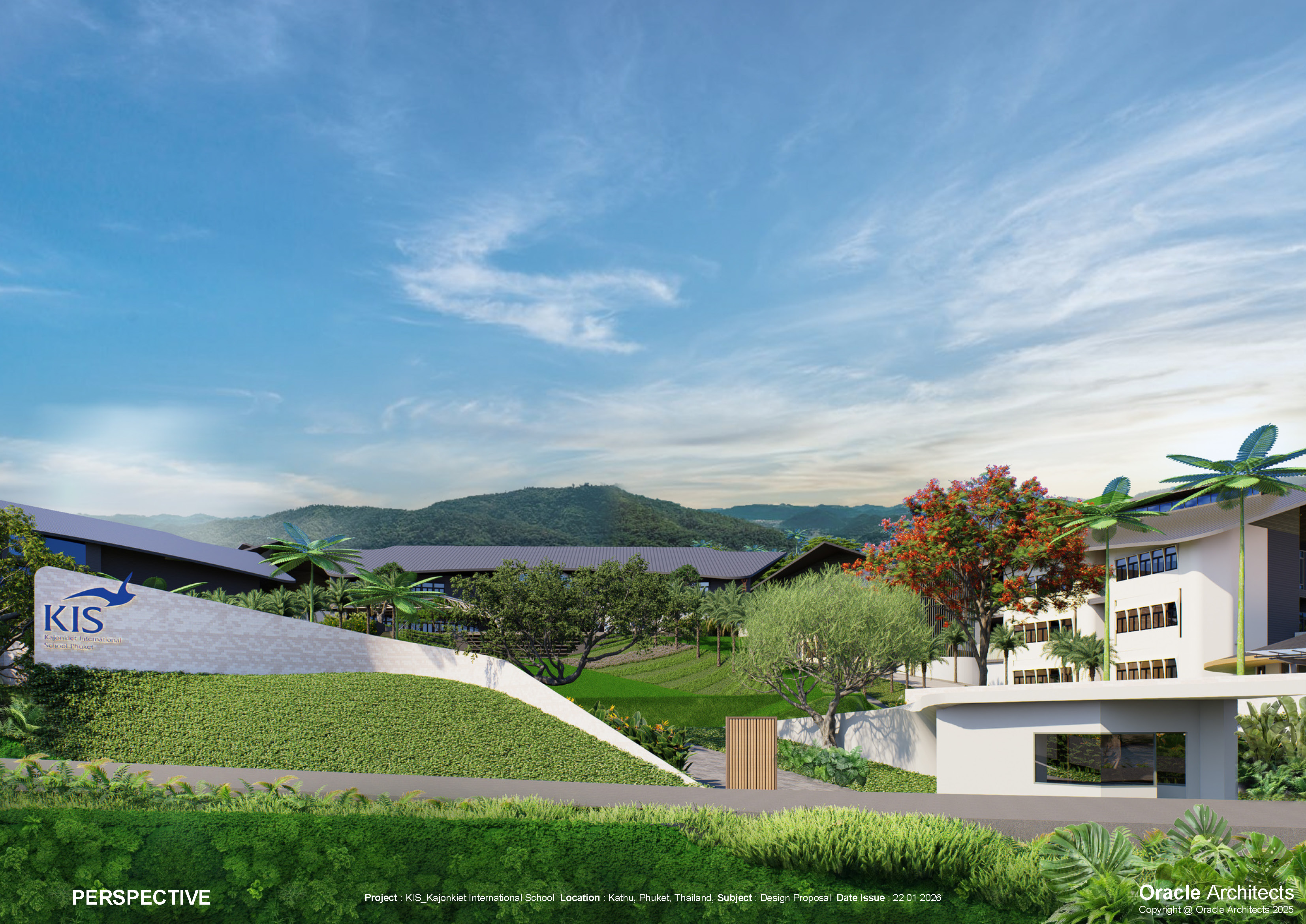
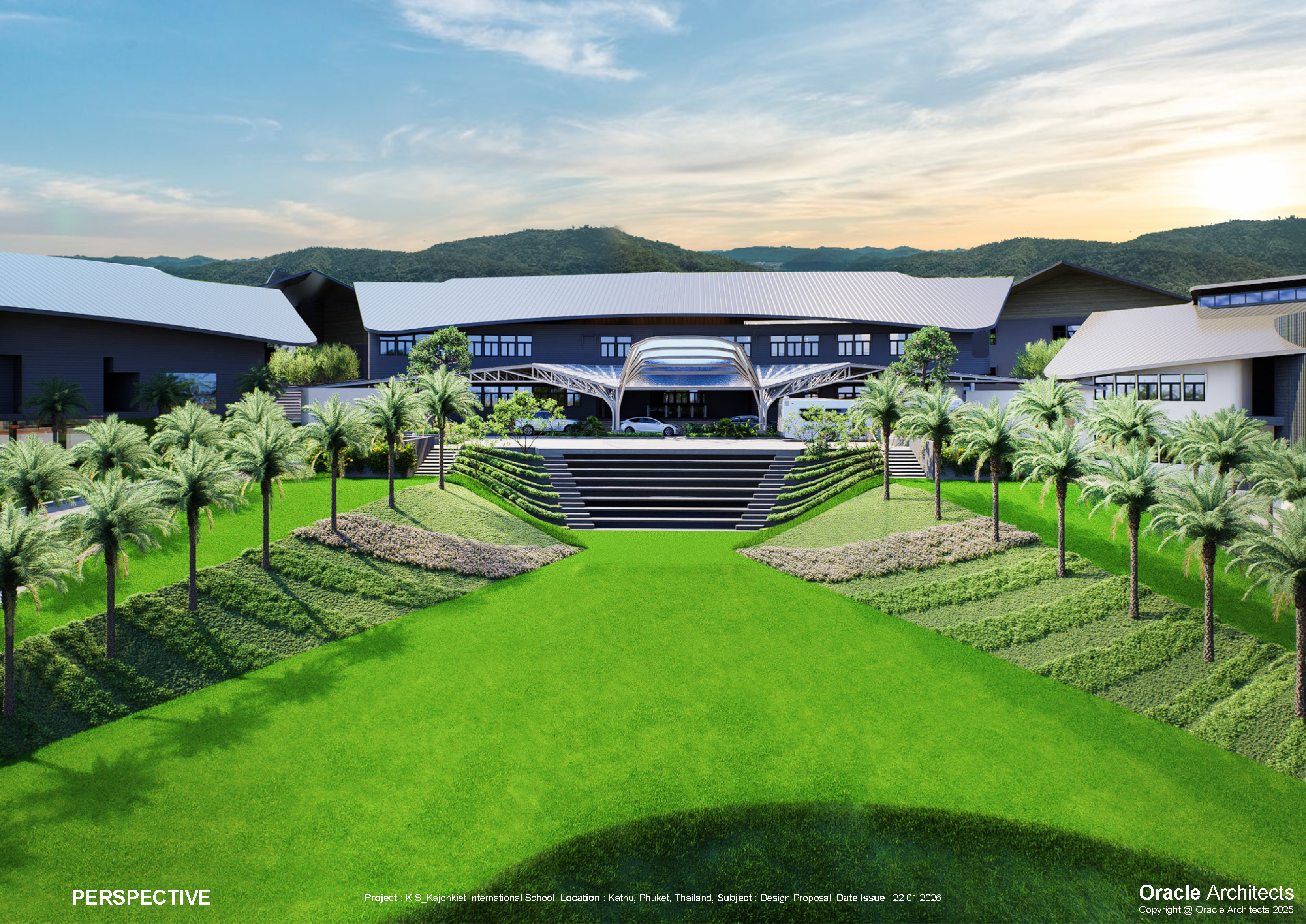
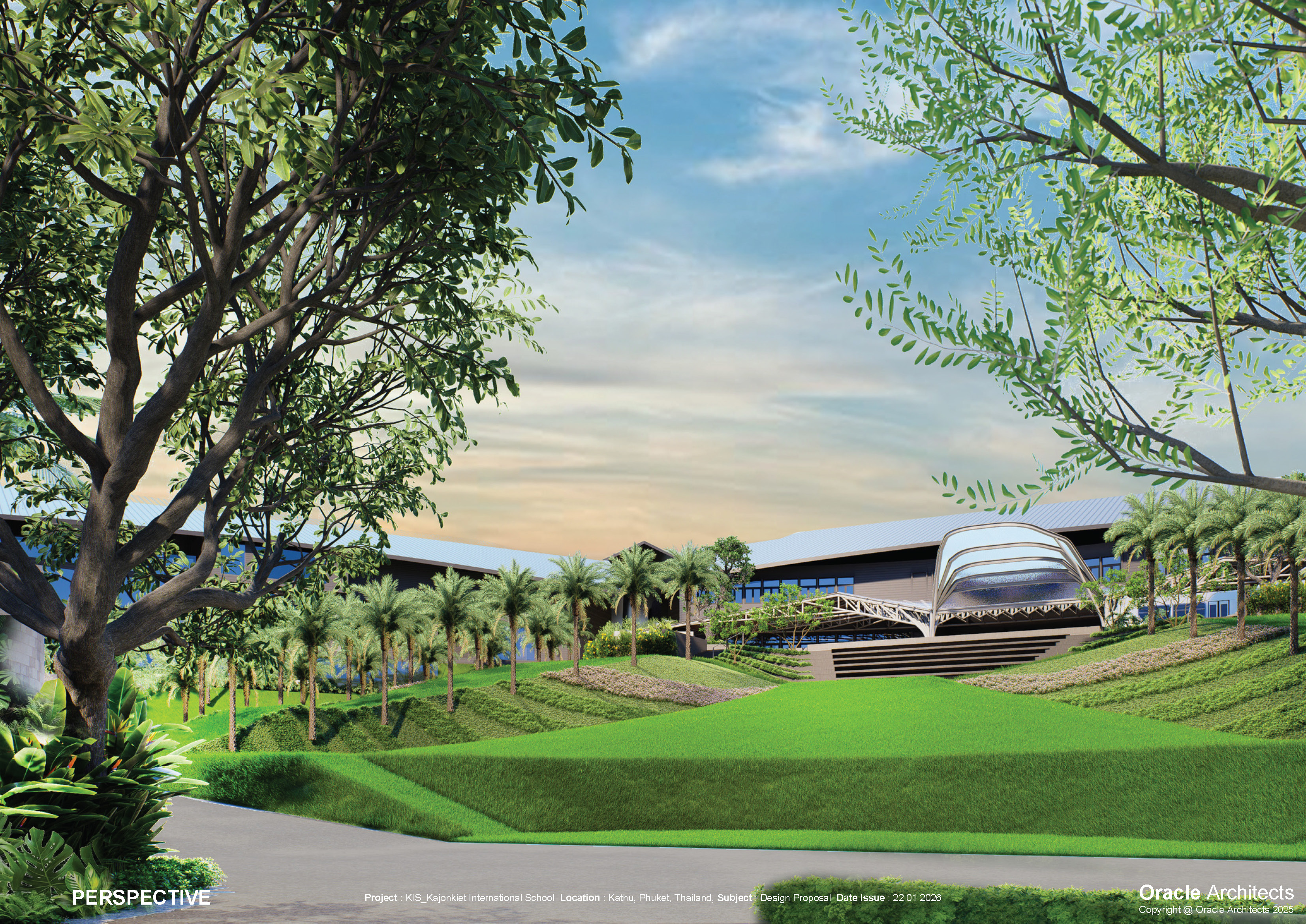
Designed as a future-ready learning environment, the new KIS campus brings together inspired architecture, purpose-built learning spaces, and a strong connection to nature—creating a place where students can thrive academically, socially, and emotionally.
Vision for the New Campus
The KIS new campus has been carefully planned to provide safe and secure learning today while preparing students for tomorrow. Every element of the site from academic design to wellbeing and operational planning has been shaped around our educational philosophy and values.
Our vision focuses on:
Purpose-built environments for every stage of learning
Experiential and inquiry-based approaches to teaching
Wellbeing as a foundation for growth and achievement
A safe, inclusive, and future-ready campus
Location & Natural Learning Environment
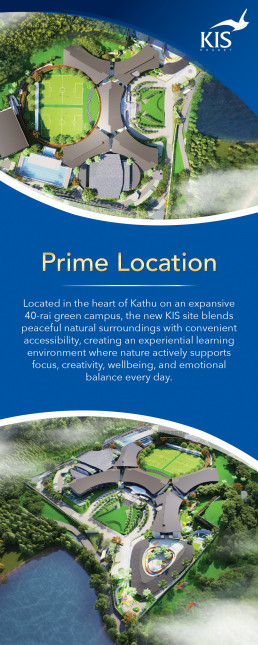
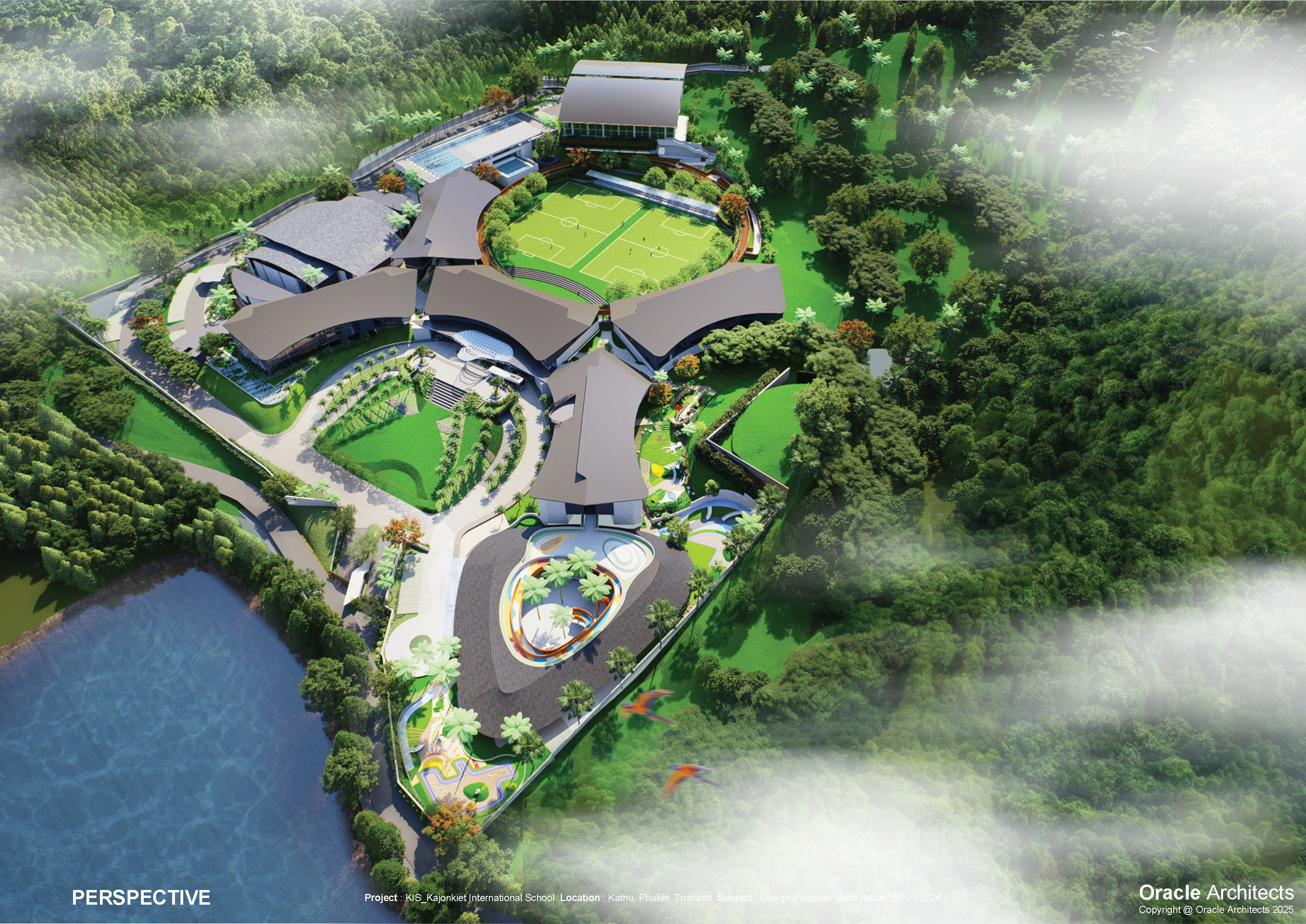
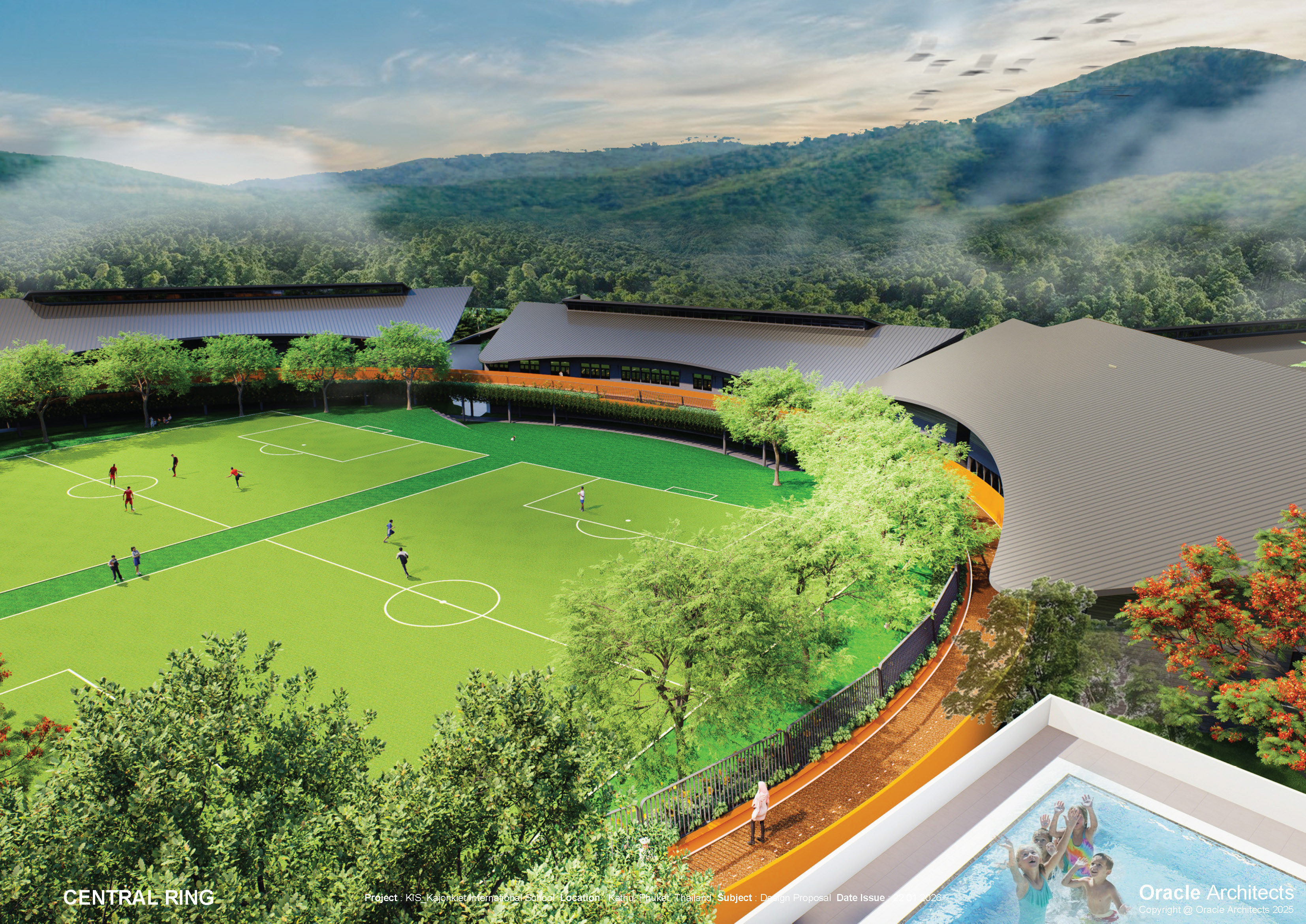
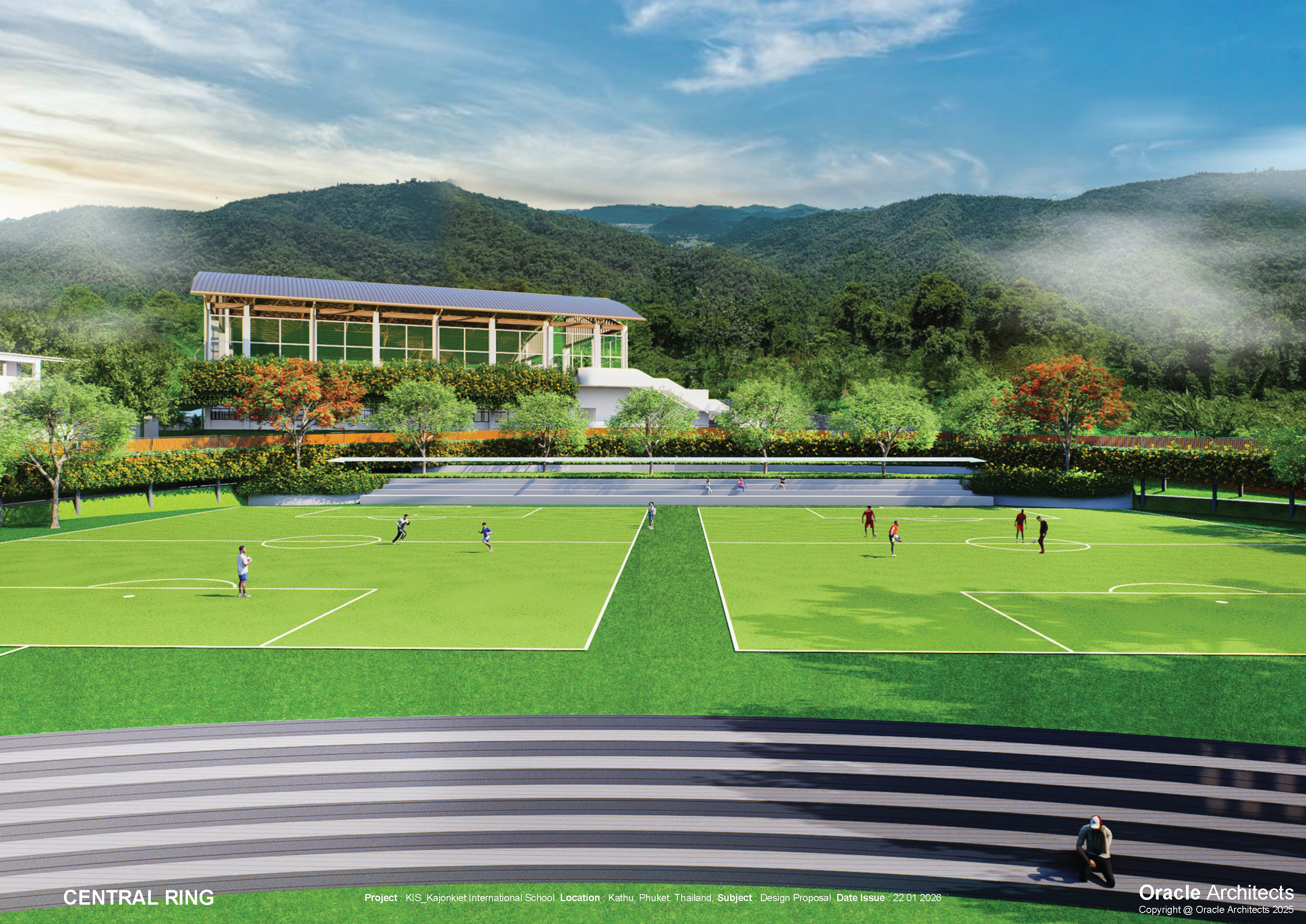
The new KIS campus is located in the Kathu Area, spanning an expansive 40-rai site surrounded by natural greenery. Thoughtfully tucked away in a peaceful and secluded setting—yet conveniently close to the main road—the location offers accessibility without sacrificing tranquillity.
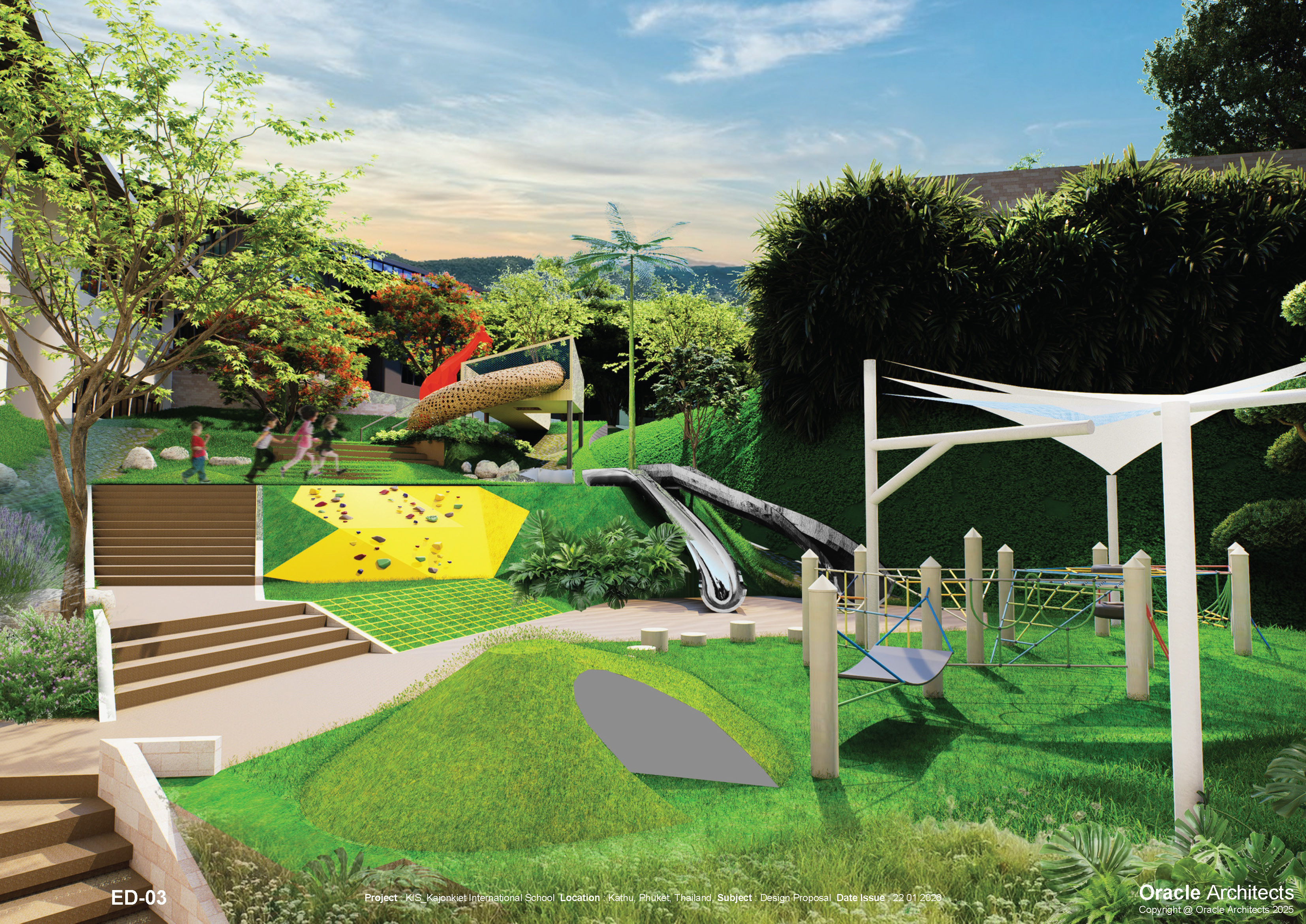
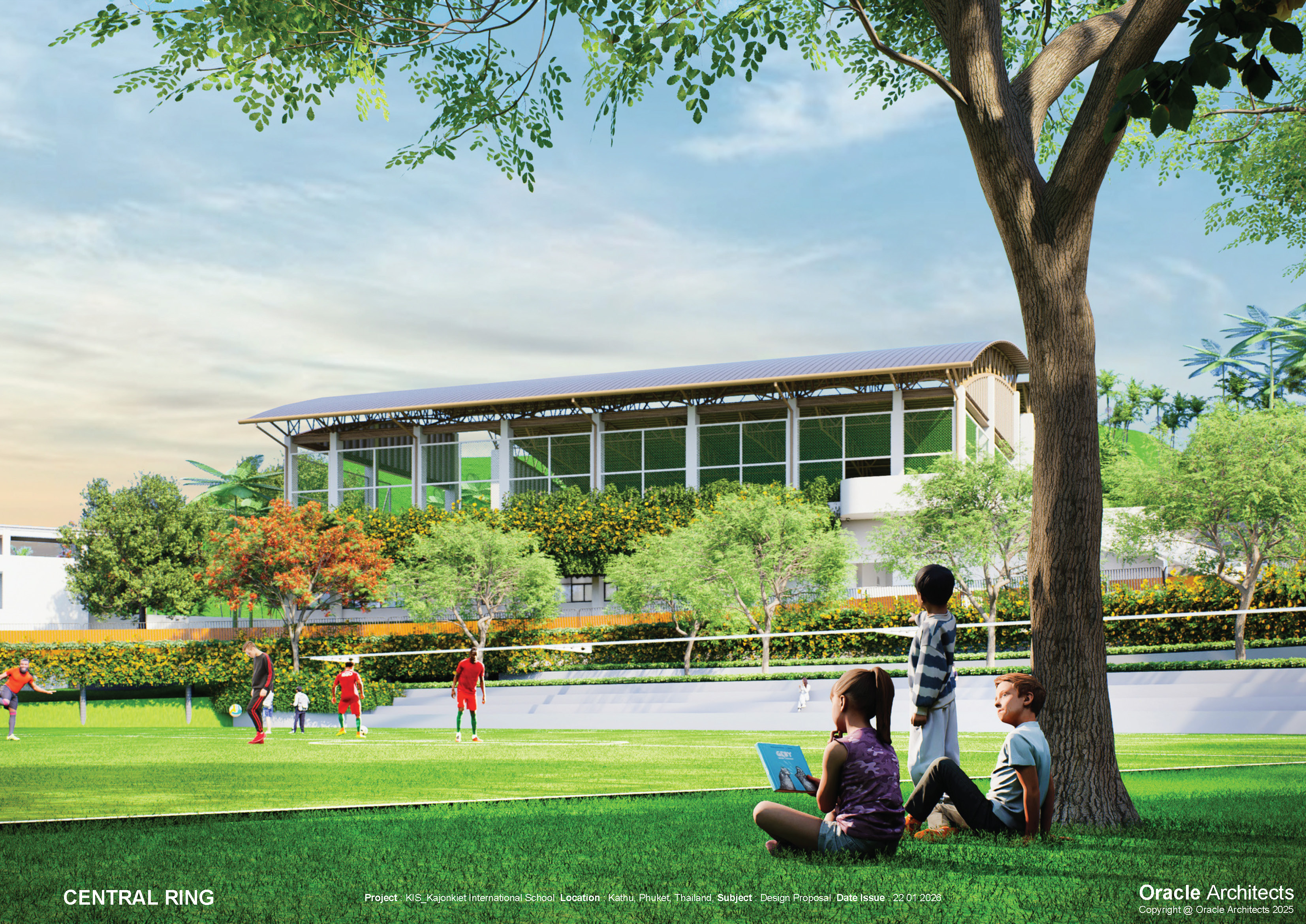
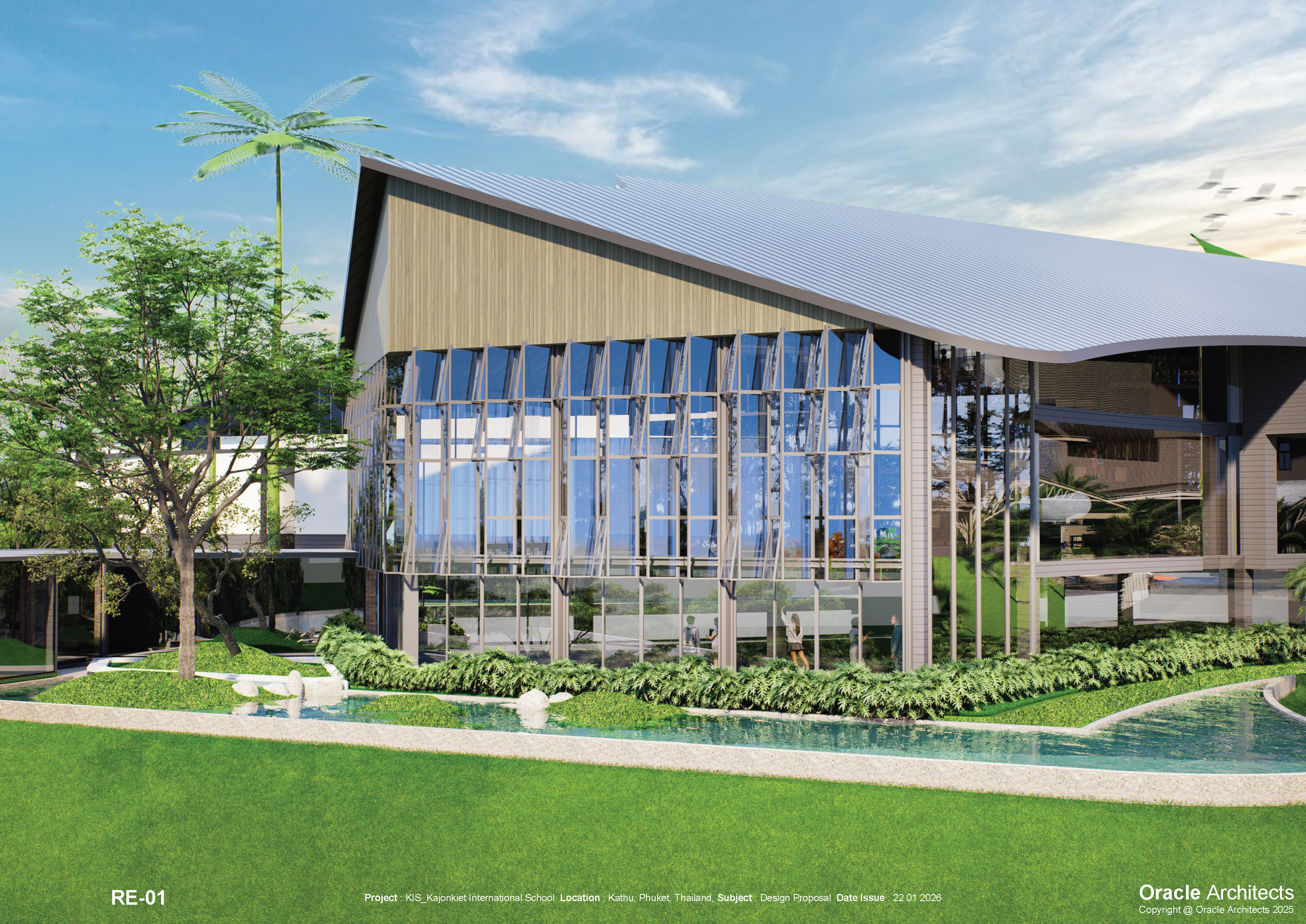
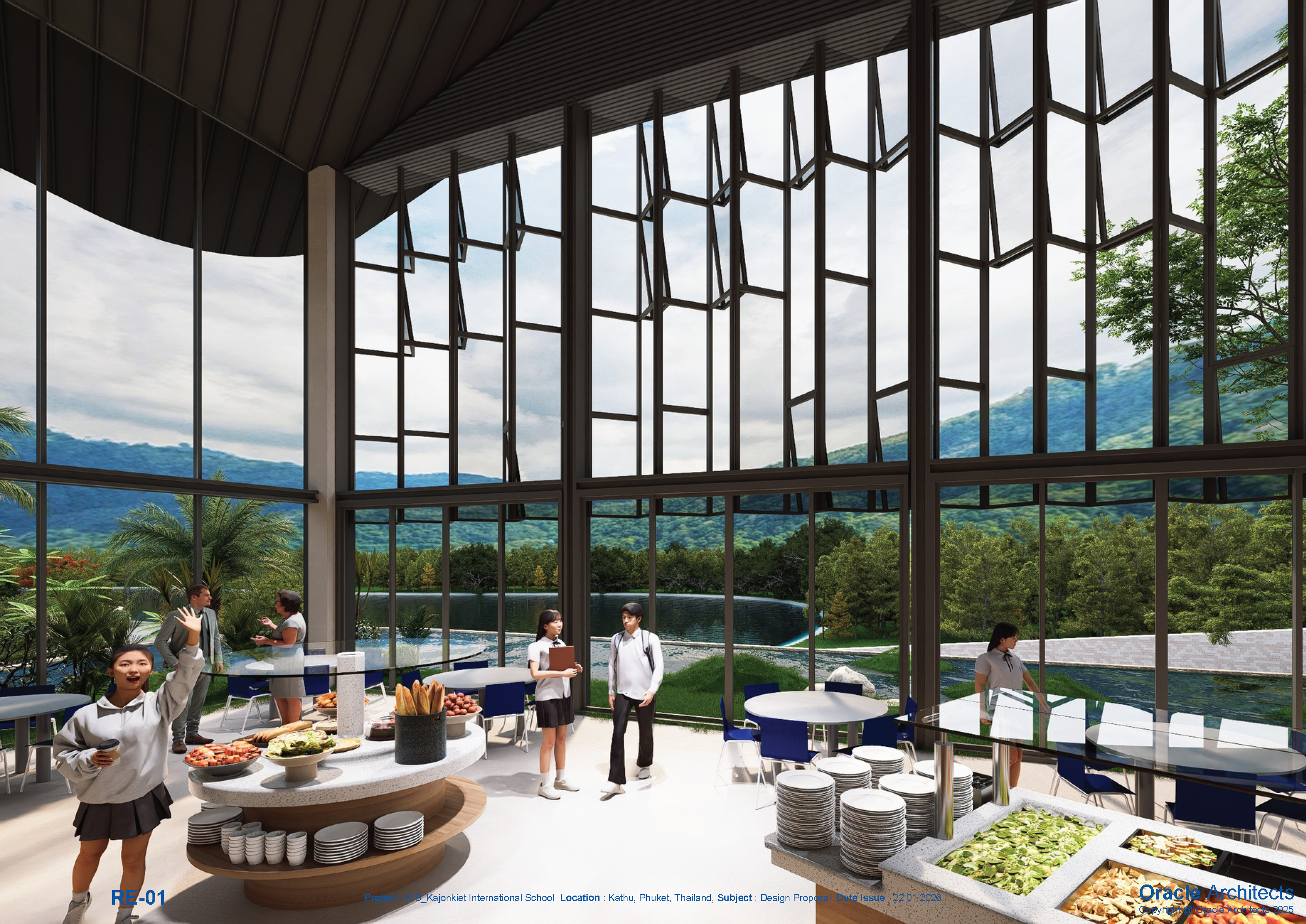
This natural environment creates a highly experiential setting for learning and development, allowing students to learn within calm, open spaces that support focus, creativity, physical wellbeing, and emotional balance. Nature is not simply a backdrop—it is an active part of the daily learning experience.
Academic Buildings: Purpose-Built for Every Learning Stage
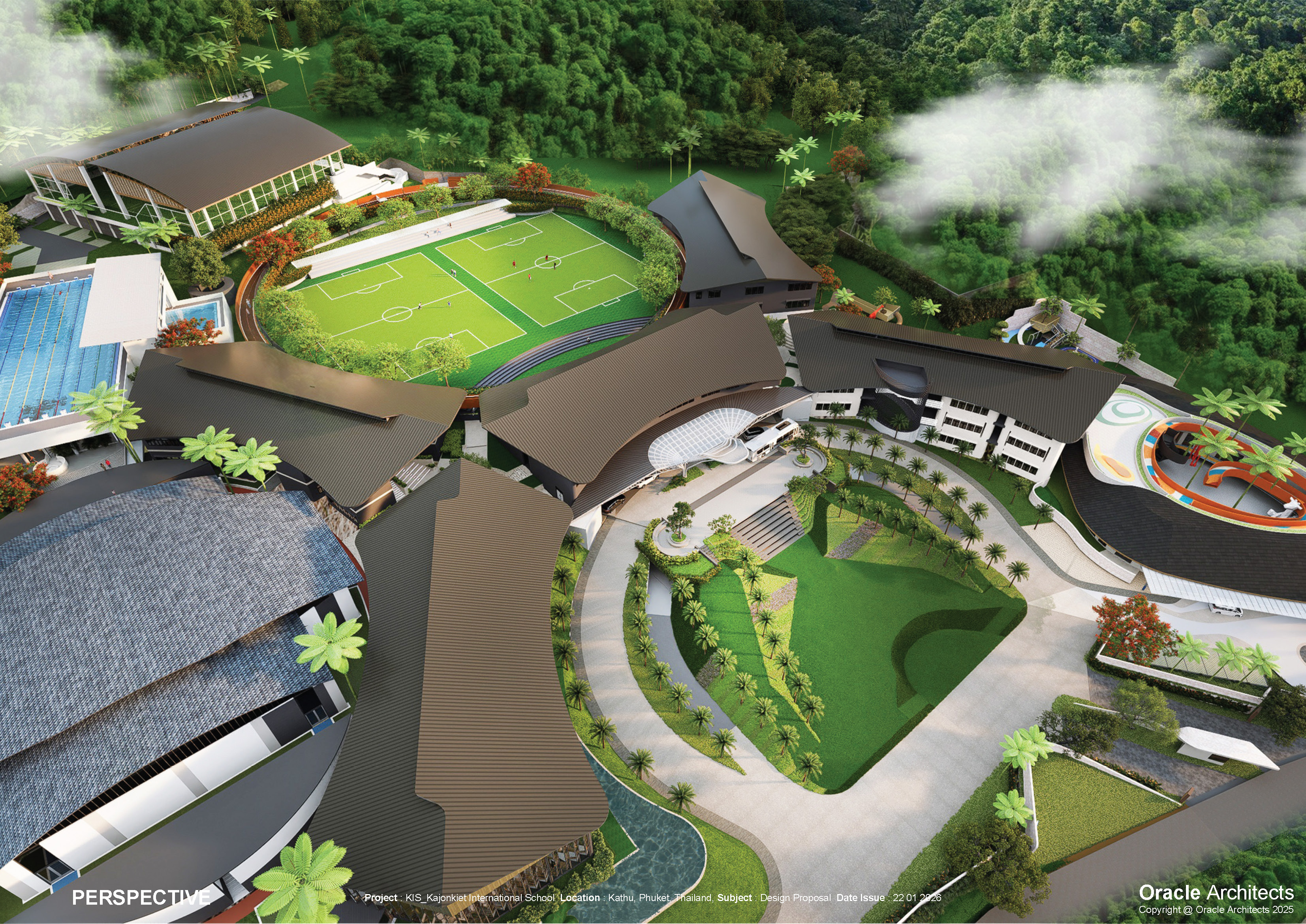
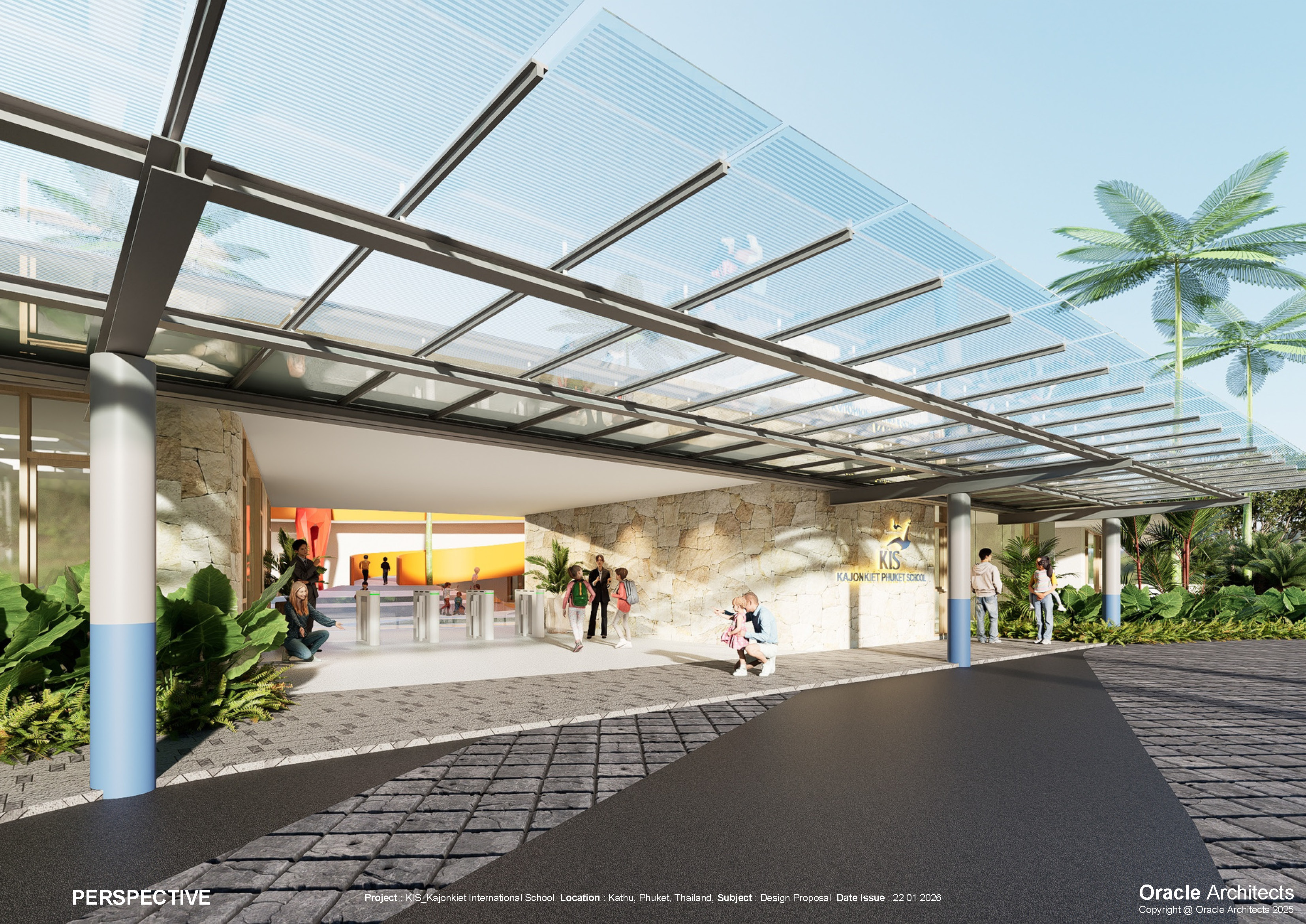
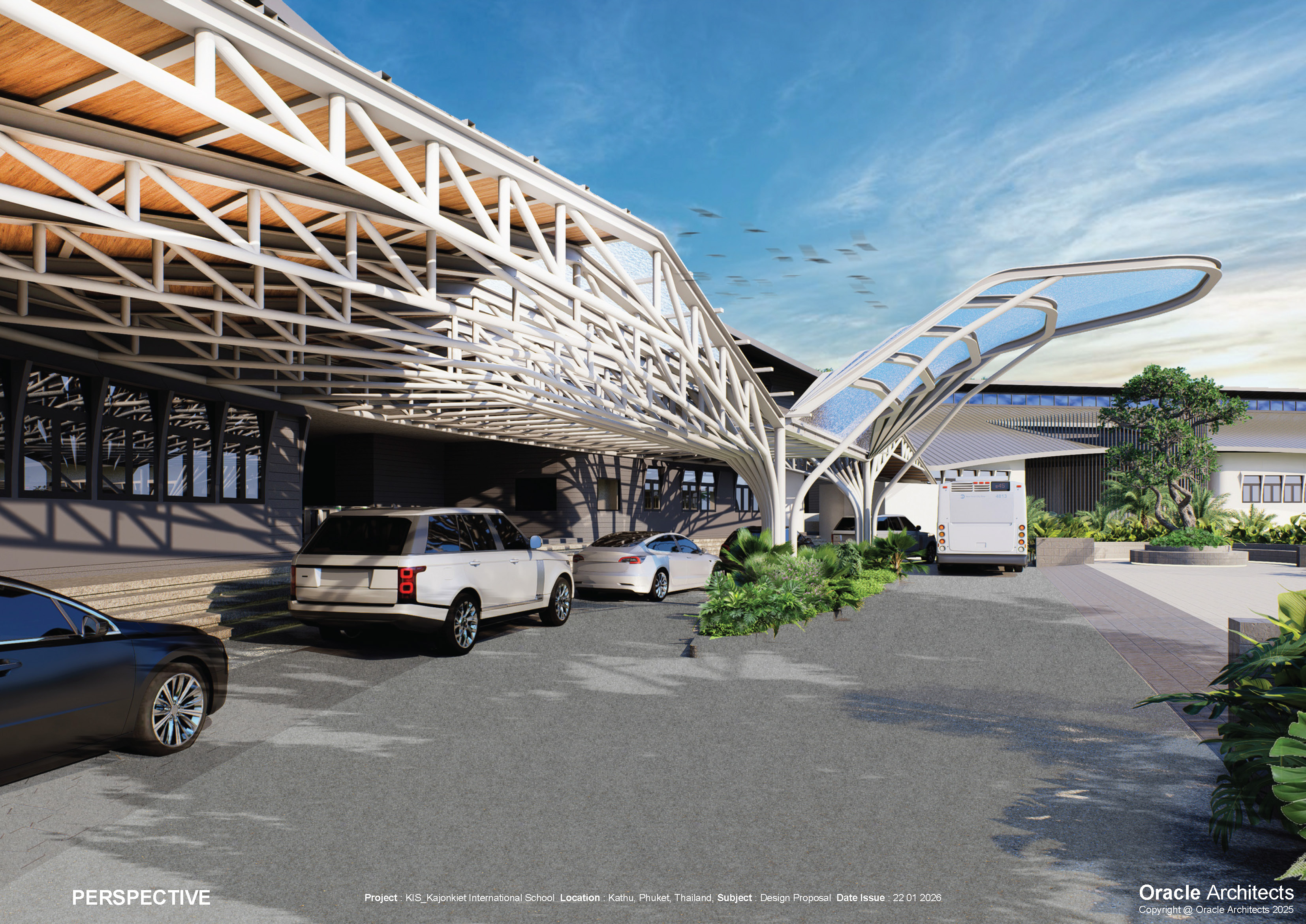
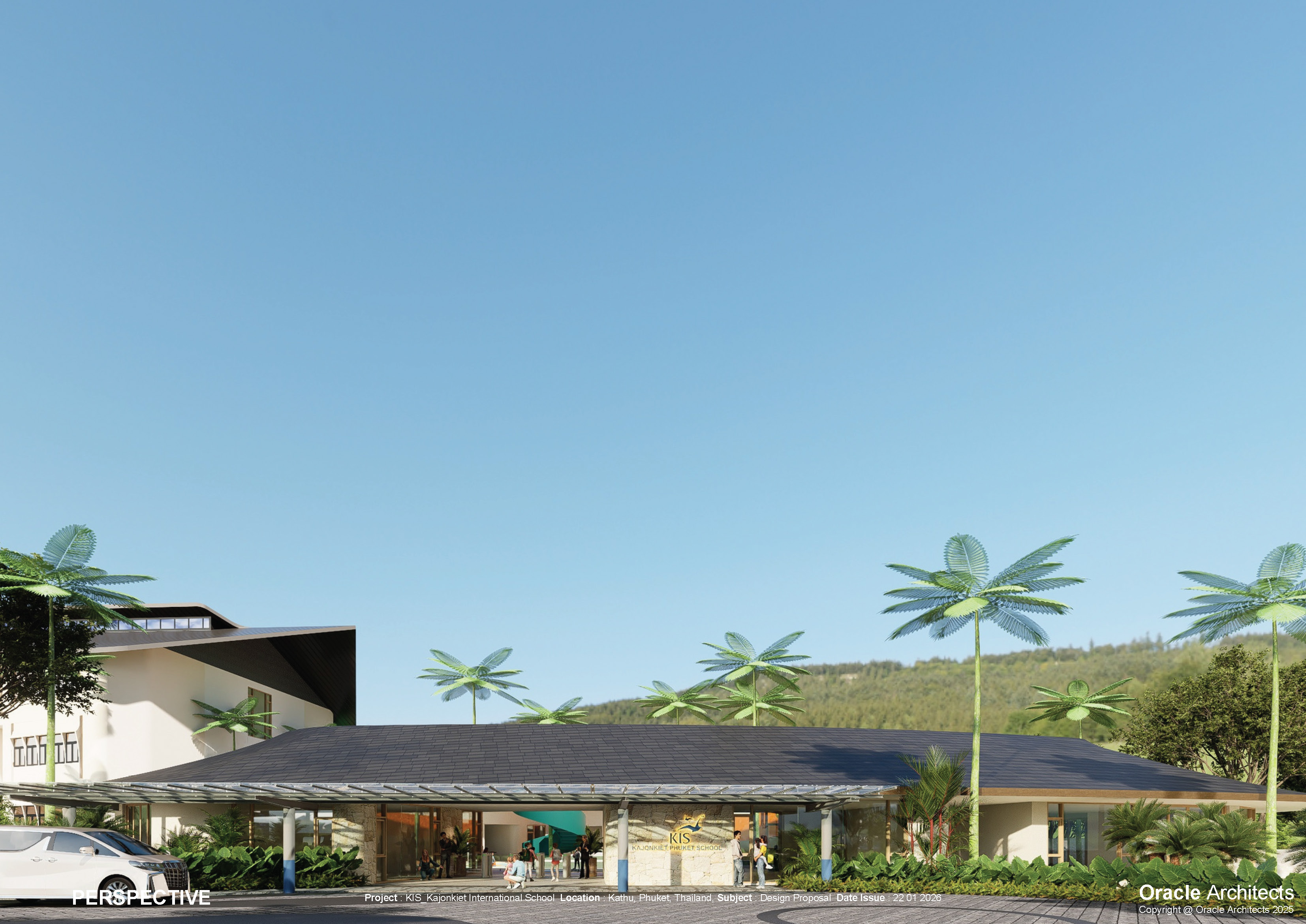
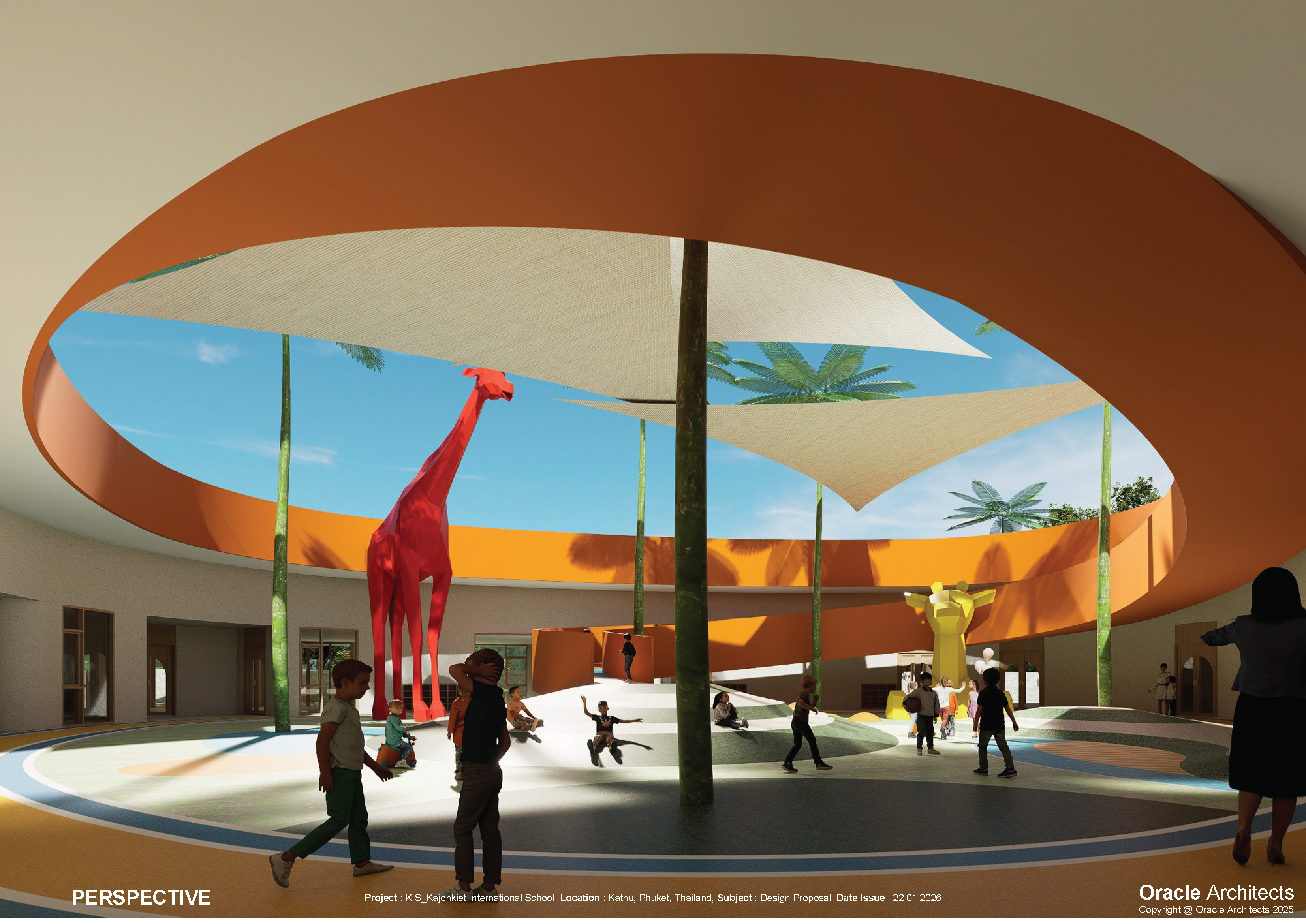
The new KIS campus has been thoughtfully designed with separate academic buildings for each phase of learning, ensuring age-appropriate environments that support both experiential learning and developmental needs.
Each phase—Early Years, Primary, and Secondary—will have its own dedicated academic building, forming the core operational spaces for day-to-day teaching and learning. This approach allows students to learn in environments specifically designed for their stage of growth.
Key benefits include:
Age-appropriate layouts, resources, and learning zones
Safe, nurturing spaces for younger learners
Increased independence and focus for older students
Flexible classrooms that support hands-on, inquiry-led learning